Times Media
Rebuilding how anoutdoor advertising company runs.
My dad runs an OOH advertisingcompany called Times Media.660+ boards across Gujarat, India.
All of them lives in one PowerPoint.One guy maintaining it, everyday.
Data all over the place. Lease lapses,nobody notices - a big fine shows up.
Clients are sent “updated pdf”.No time, no data to chase new business.
A website wasn't the fix.Talked to everyone, from theowners to the crew.
"Managing 660+ boards on a PowerPoint is tedious enough. Add in fines from things slipping through, and it's a system that's actively costing us."
"Walking a client through a PowerPoint doesn't say much about who we are. Everything's manual, nothing's data-backed - I build strategies on a deck and whatever I remember."
"I’ve shown up to a board and found someone else's print already there - their lease ended, nobody told me. With this many boards, I'm mostly just guessing at maintenance."
Same PowerPoint.Four different ways it wasbreaking things.
660+ boards, 660+ slides. Every rental, every repair, every lease change - someone's updating it by hand, every single day.
No fixed process for tracking due dates and maintenance. A lease lapses, nobody notices until fines comes up.
Client's first impression of the business - 660+ slides to scroll through. No credibility, no experience just a PowerPoint.
The system has to be simple, especially for on-field agents, who needed zero learning curve.
No more slides. No more friction.One system, three platforms.
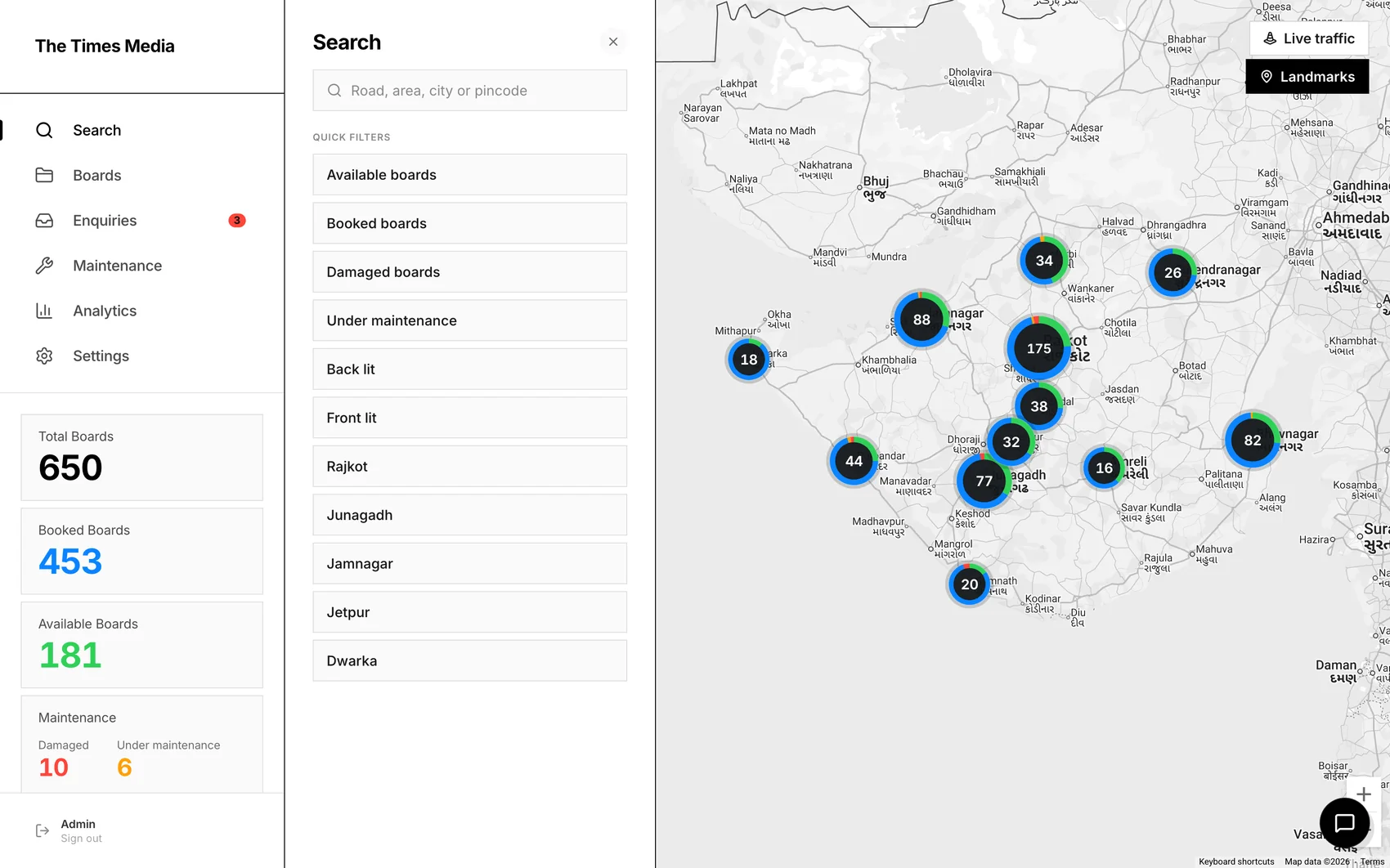

Everything an admin needs to run 660+ boards, not spread across a slide deck, a phone, and someone's memory.
A modern website that sells.No more scrolling through slides.
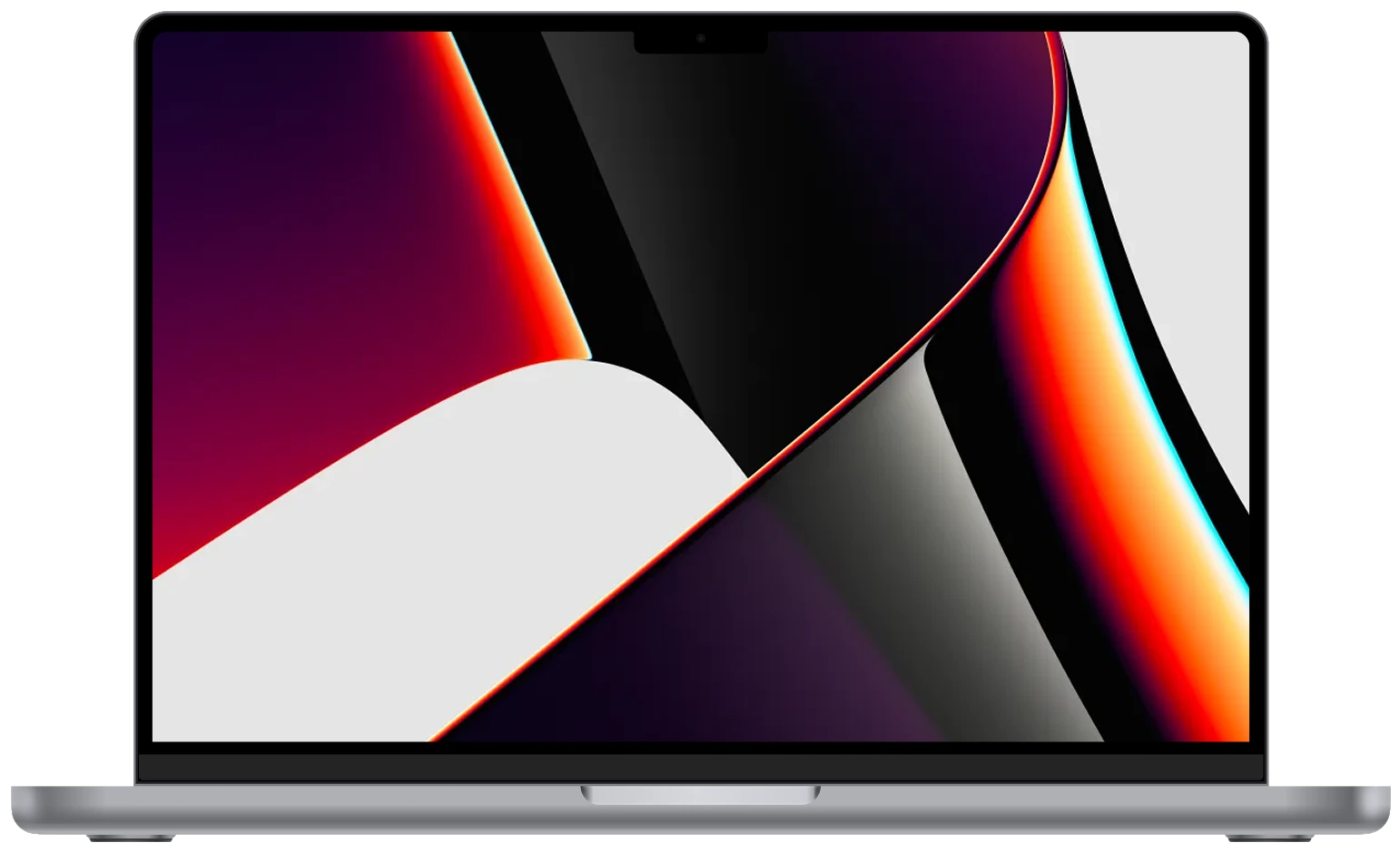
A modern landing page with a live map, credibility elements built in, and CTAs that push clients straight to booking.
New experience.New business opportunities.
See it live with 3D Street View.Know your reach before you commit.
With 3D Street View, see the board live before it’s actually live.
Know your reach before you commit with real traffic data around it.
Every board carriesa visibility score.
One number, built from four things about where a board actually stands. So two locations can be compared before anyone commits.
Road data
The roads around it, and the traffic they carry.
Population
Who lives and works around it.
Landmarks
What already brings people past it.
Night-light
How lit the area stays after dark.
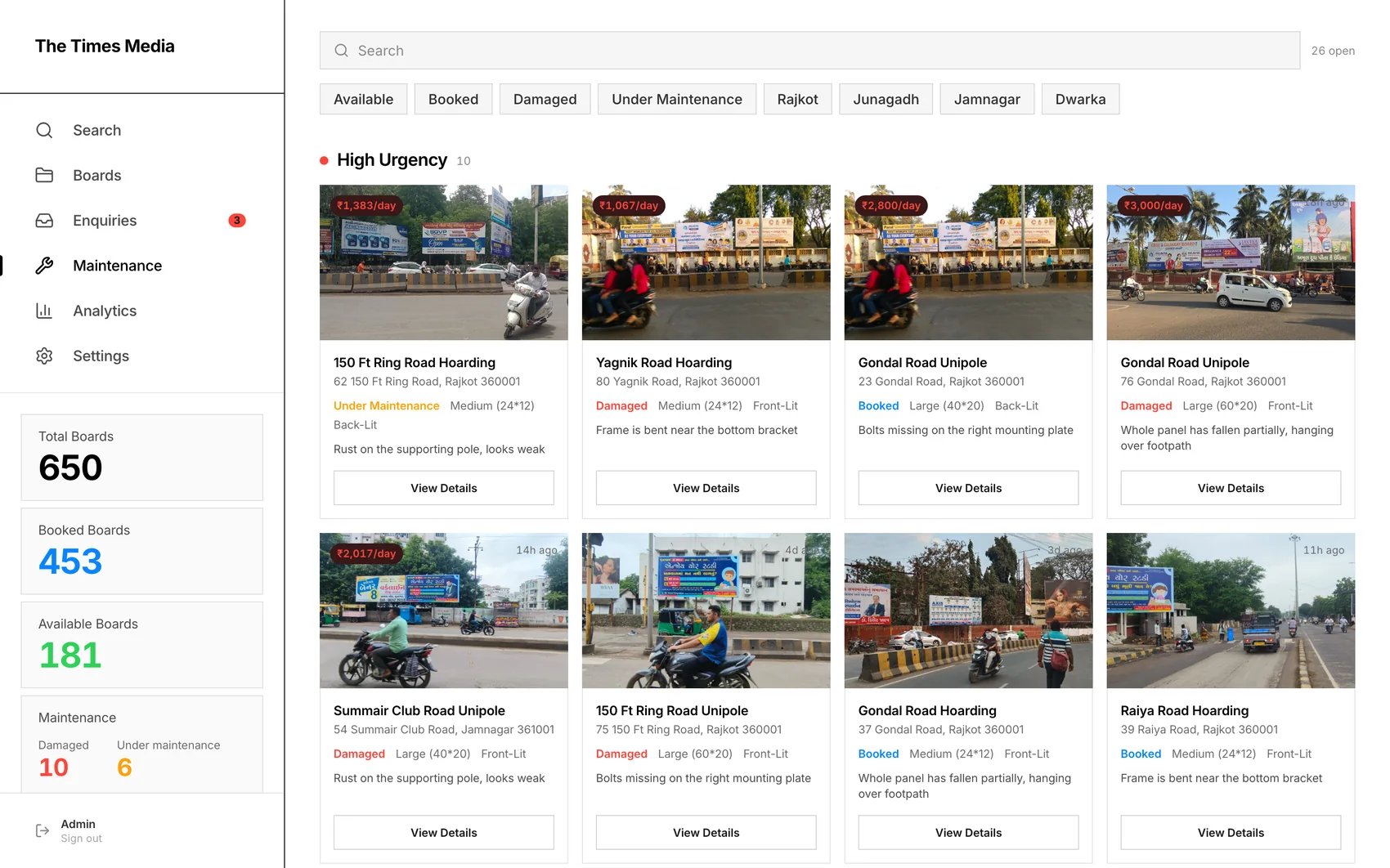
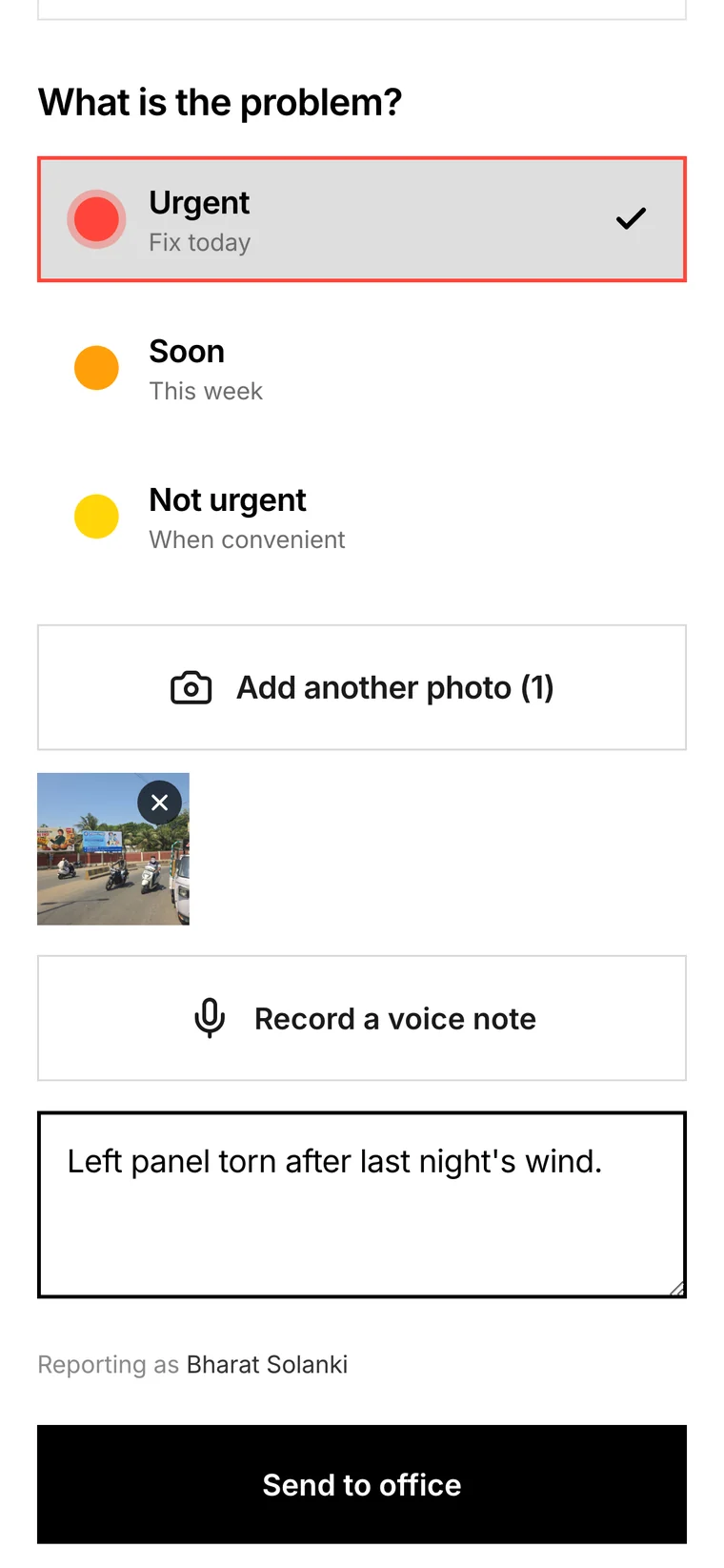

On field agent scans the QR code at the back of board and raises a request. The request gets to the admin’s panel to get approved.
Impact
What actuallychanged.
Hours saved. Money saved.Unlocking new opportunities.
Zero
Fines
Down from 2-3 a month. Every lease date lives in the database now, and the system says something before one lapses.
50%
Fewer wasted field trips
Agents used to drive out to find out. The board’s own record and a QR scan answer most of it before anyone leaves.
660+
Boards in one live system
Up from 660+ slides in a PowerPoint that one person updated by hand, every single day.
Dwarka
First new market
The first place the business expanded into because the data pointed at it, rather than because somebody remembered it.
Feedbacks & Iterations
Built it. Shipped.Listened. Iterated.
The pilot put the first version in front of thepeople who actually run the business. Everyproblem it raised turned into a change.
"My English isn’t great, so I’d type whatever I could, and the admin couldn’t understand it. I can explain it much better in Gujarati."
Kishan Kalavadiya, On-field agent
"We’ve been in this business for years, and every decision still came from memory. Nothing told us where to grow next."
Ritesh Jain, Sales Manager
Hearing this remindsme why I design.
"Zero fines since we switched. The time weused to lose on the deck now goes intofinding new business."
"It’s very straightforward for me.Manav kept coming back tounderstand how I work, and it shows."
"I pitch with more confidence now. I’ve got areal system backing me up."
Learnings
What rebuilding a realbusiness taught me.
Designing for my dad’s company meant the stakes were real, and so were the lessons.
Talk to every partythe system touches.
Not just the person who asked for it. The admin needed clean, sorted data. Clients needed a real experience. Field agents, less comfortable with tech, needed zero learning curve.
Design for the businessit’s becoming.
Replacing the PowerPoint solved today’s problem. Building the data infrastructure opened tomorrow’s: which boards perform, and where the business should grow next.
Make it work great.Make it look great.
One without the other fails. A system that works but looks like a spreadsheet never gets shown to a client. A page that looks good but hides the data never gets used.
FAQ
Questions I getabout this one.
It’s your dad’s company. Wasn’t the feedback biased?
Fair question. But the numbers aren’t biased. Fines went from 2-3 a month to zero, and that’s on paper, not opinion. And being family made it harder, not easier. If it didn’t work, I’d hear about it at dinner.
Did you design and build it alone?
Yes. Research, design, and the build. I used AI-assisted development to go from Figma to a working system fast enough to test with the team.
What’s it built on?
Next.js and React, Supabase for the database and auth, Google Maps for the board map, Claude for AI triage, and WhatsApp for alerts.
How did you use AI?
Two ways. In the product, AI helps triage field reports and find patterns in client data. In my process, it helped me build fast enough to put real flows in front of real users instead of guessing.
Is it still being used?
Every day.
Check out myother work.
Like my work?Get in contact.