Key behavioral patterns that influenced how Lighthouse AI was structured and experienced.
What people usually bring into the system
What people actually experience
Abundant Information
High Efforts
High Motivation and Highly Skilled
Lots of Advice and Guidance
Lack of Clarity
No Visible Progress
Low Confidence
No Personalized Guidance
Some High-Level Patterns That Can Be Synthesized
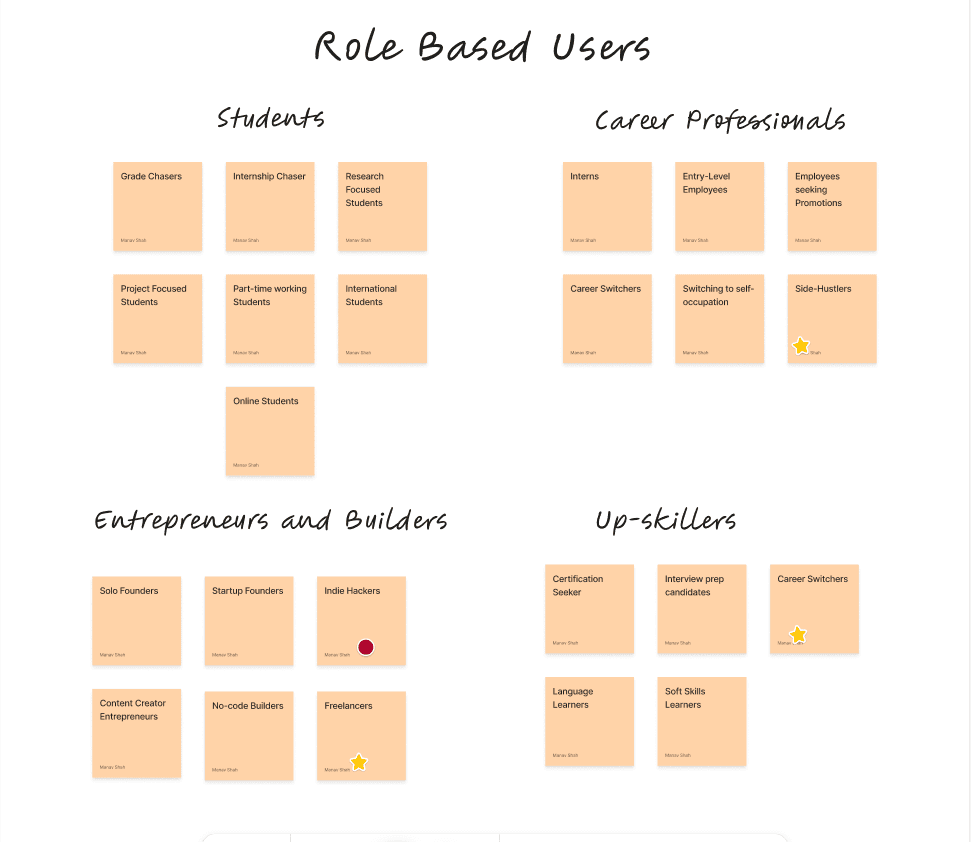
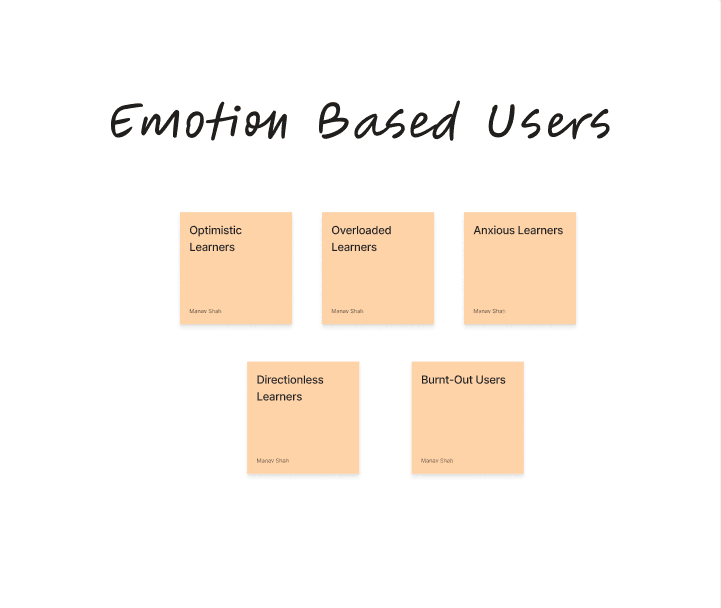
High-Level Classification of Potential Users
After comprehensive user research including multiple user interviews, as well as spending hours on online communities like Reddit, users were grouped not just by what they do, but by how they feel — since motivation and emotional state heavily influence learning behavior.
The Core Idea of Lighthouse AI
The foundation of Lighthouse AI was intentionally simple.
At it's core, in very simple terms, users were asked three questions:
What do you want to become?
Where do you stand right now?
How much time do you have?
From these answers, Lighthouse AI generated personalized playbooks, structured learning paths designed to guide users from their current position toward their long-term goals. The intention was clear - remove the overwhelm of endless information and replace it with clarity and direction.
Designing Directions as a System
A structured system that turns intent into clarity, and effort into visible progress.
Capturing goals, background, constraints, and intent, even when inputs are vague or incomplete.
Inputs are interpreted using the user’s background, skills, timeline, and constraints to ground guidance in reality.
Personalized playbooks turn intent into focused next steps, reducing decision fatigue and increasing momentum.
Progress, friction, and changing priorities continuously refine the path forward.
Input
Interpretation
Direction
Feedback
Loop
How the Idea Comes to Life
Translating system-level thinking into clear, human experiences.
Turning Background Into Direction With Our AI
Assessing Skills and Context
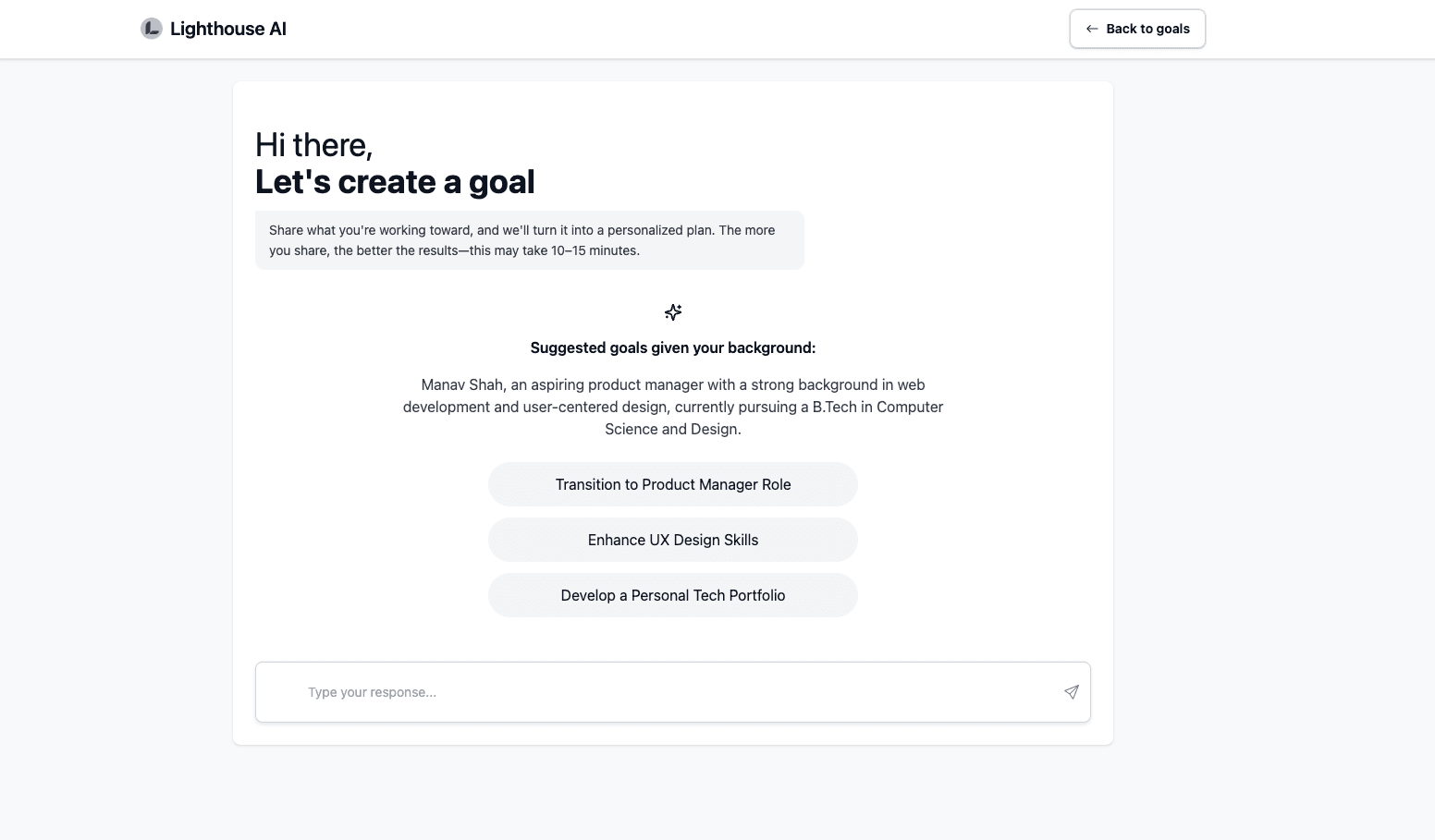
Instead of asking users to start from scratch, Lighthouse AI asks users to upload their resume to understand their background and suggests relevant goals. This reduces decision fatigue and helps users move forward with confidence rather than hesitation.
Before giving direction, Lighthouse AI first understands where the user actually stands. Instead of assuming skill levels, the system validates proficiency across key areas that directly impact the goal. By confirming skills early, the product avoids generic advice and tailors every next step to the user’s true starting point.
Frictionless Knowledge Capture
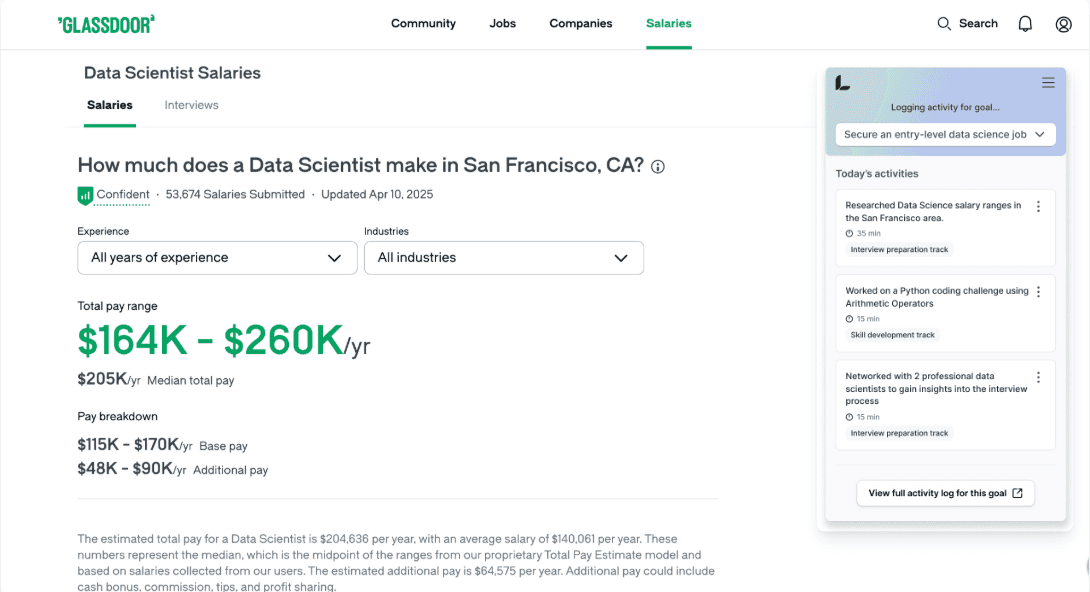
Our Chrome extension AI companion observes your work, capturing activity in the background and turning it into organized, searchable insights. No need to pause or switch context—just work as usual and let the system do the documenting for you.
What Lighthouse AI Set Out to Solve
Information Without Direction
Efforts Without
Visible Progress
Unclear Next Steps
No Personalized Guidance
Identifying Potential Users
Before going deep into the product, it was important to understand who we were designing for.
We needed clarity on the users we aimed to serve, the users who might find value in the product, and the potential user types we should consider from the start.
Understanding Users At A Foundational Level
To understand users beyond assumptions, we began with foundational user research methods — user interviews and surveys.
Interviews helped uncover individual motivations, expectations, and frustrations around learning and career growth. They revealed how users currently navigate overwhelming resources, what keeps them motivated, and where existing tools fall short.
Surveys added another layer by validating whether these challenges were shared across a broader audience. Together, these methods helped identify recurring themes around decision fatigue, lack of structure, and the need for personalized guidance.
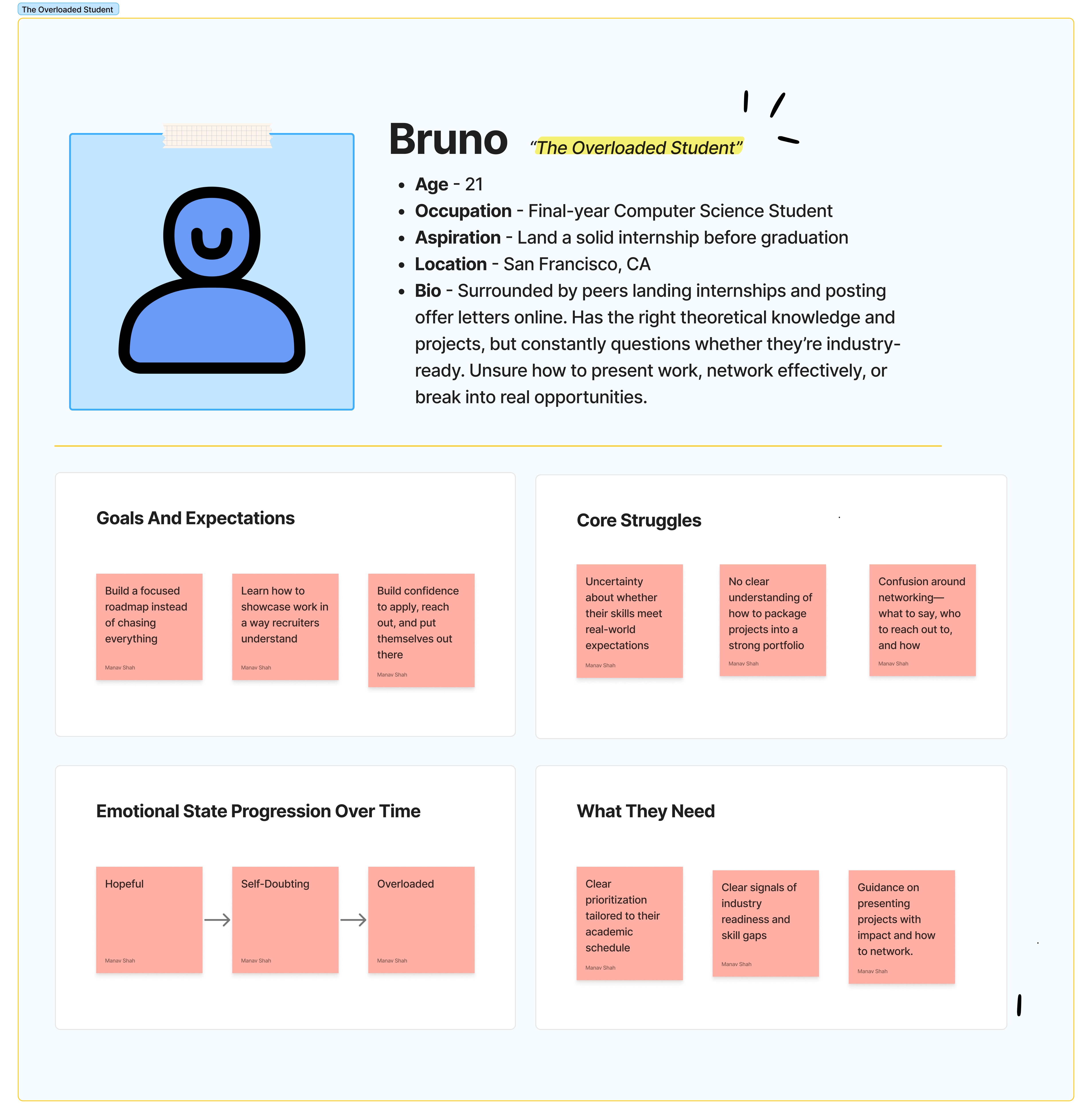
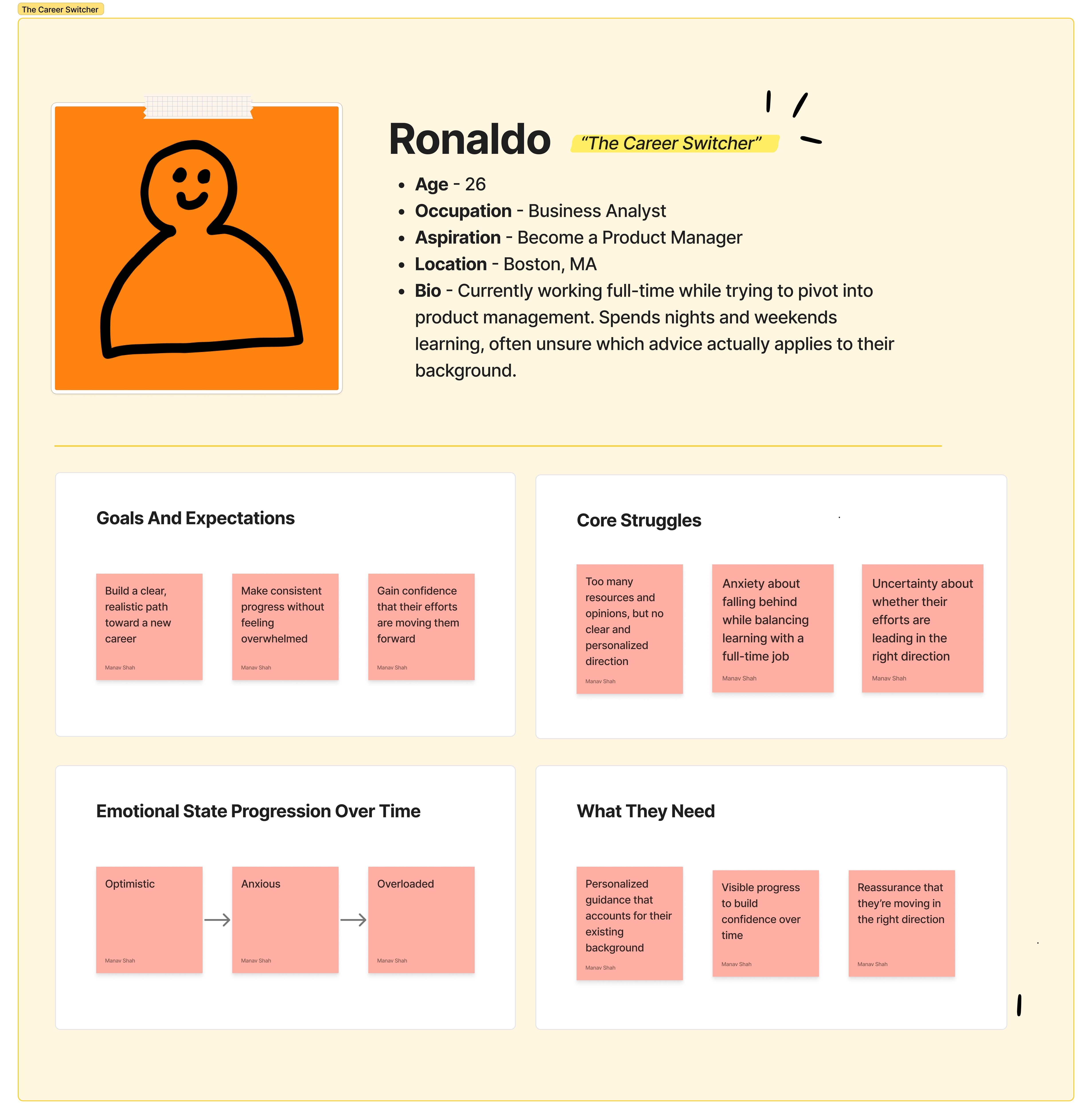
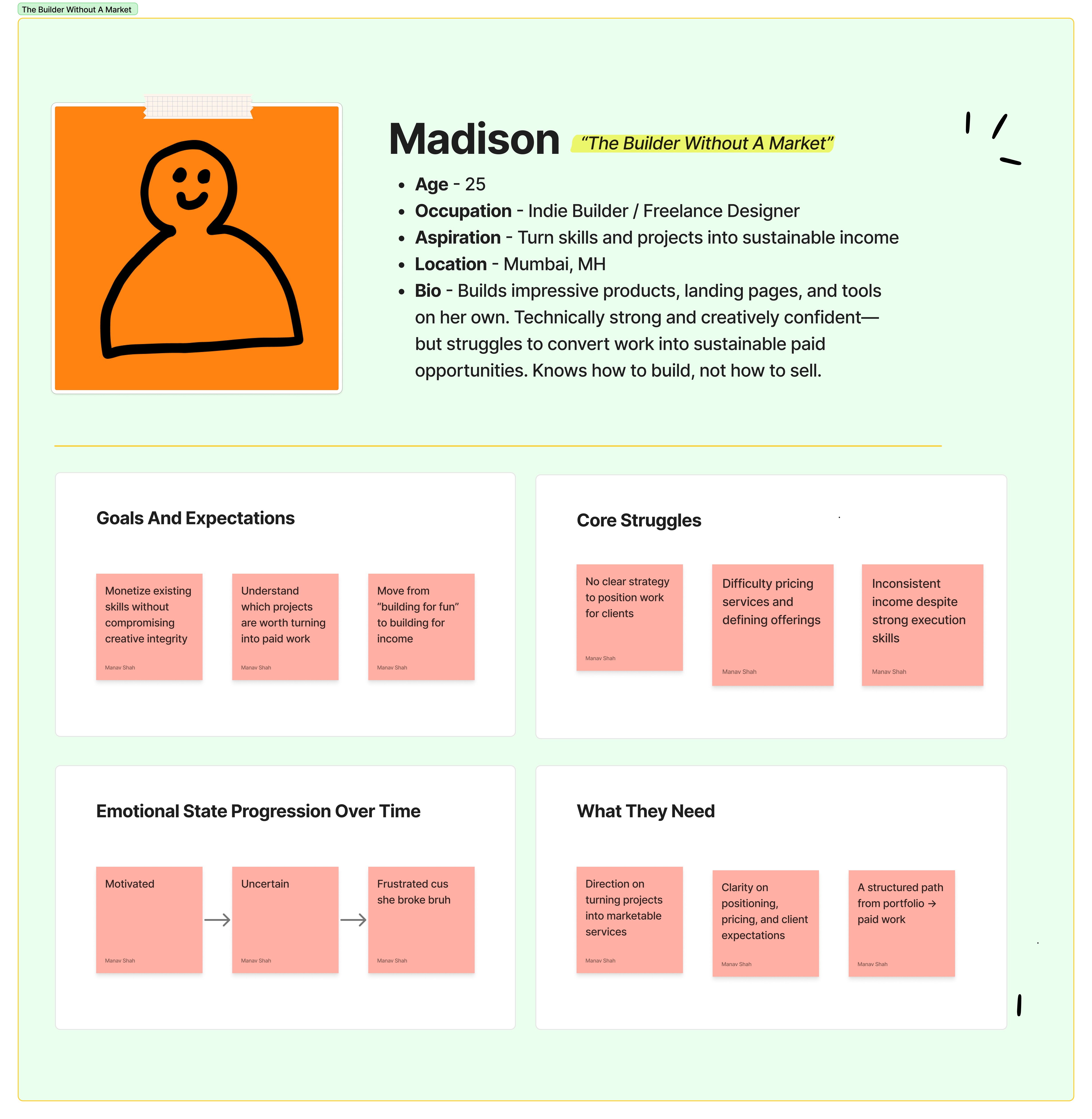
"The Career Switcher"
"The Overloaded Student"
"The Builder Without A Market"
Reddit As A Behavioral Research Tool
Users express problems in a raw, unfiltered way
Raw speech and repetition reveals patterns faster than isolated interviews
Problems and emotions surface organically — not in response to a designer's question
Conversations reveal both problems and social responses
How users framed problems
"Not every problem needs a practical solution. Some need emotional grounding first."
Well-intended guidance often failed when it didn't match the user's emotional state
How others responded
Some were very vague and emotional
Some were very detailed and structured
Practical and tactical
Emotional and reassuring
Generic or misaligned
Occasionally overwhelming or contradictory
Key Insight
Consistent Patterns Across Conversations
How This Shaped Lighthouse AI
Emotional readiness first
Vagueness ≠ lack of intent
Timing & tone > content
Not every user needs a solution immediately — many first need reassurance and emotional grounding before they're ready to act
Vague inputs often signaled uncertainty or overload, not a lack of intent. Detailed inputs usually came from users with more confidence
Practical advice given too early increased overwhelm. Context and delivery mattered as much as the content itself
Context-aware guidance
Flexible input understanding
New problem cases uncovered
Lighthouse AI was built to handle both vague and highly detailed inputs, inferring intent without relying on perfectly formed prompts.
The system adapts its tone and depth based on the user's emotional and cognitive state, offering reassurance when needed and practical steps when users are ready to act.
Research revealed scenarios beyond skill gaps — emotional burnout, quiet progress paired with self-doubt, and users doing the right work while feeling behind.
To understand how people actually think, struggle, and talk about their goals, I stepped outside structured interviews and into unfiltered spaces, Reddit being the most honest one.
Why Reddit?
What I uncovered from Reddit
I didn’t just read posts, I studied conversations.
And by comparing the problem tone with the type of advice given, I began to see patterns.
God Bless the White Monster Energy.
Resume
View & Download
shah.manavd@northeastern.edu
(617) 749-8140
Contact
Let's connect!
Let's Connect!
I'm open for a Product Designer role where I can work on problems and help simplify complex experiences. If you think we might be a good fit, lets connect.

Key Responsibilities
User Research
Design Thinking
Product Strategy
UX Architecture

Your Goals Need More Clarity, Not More Noise
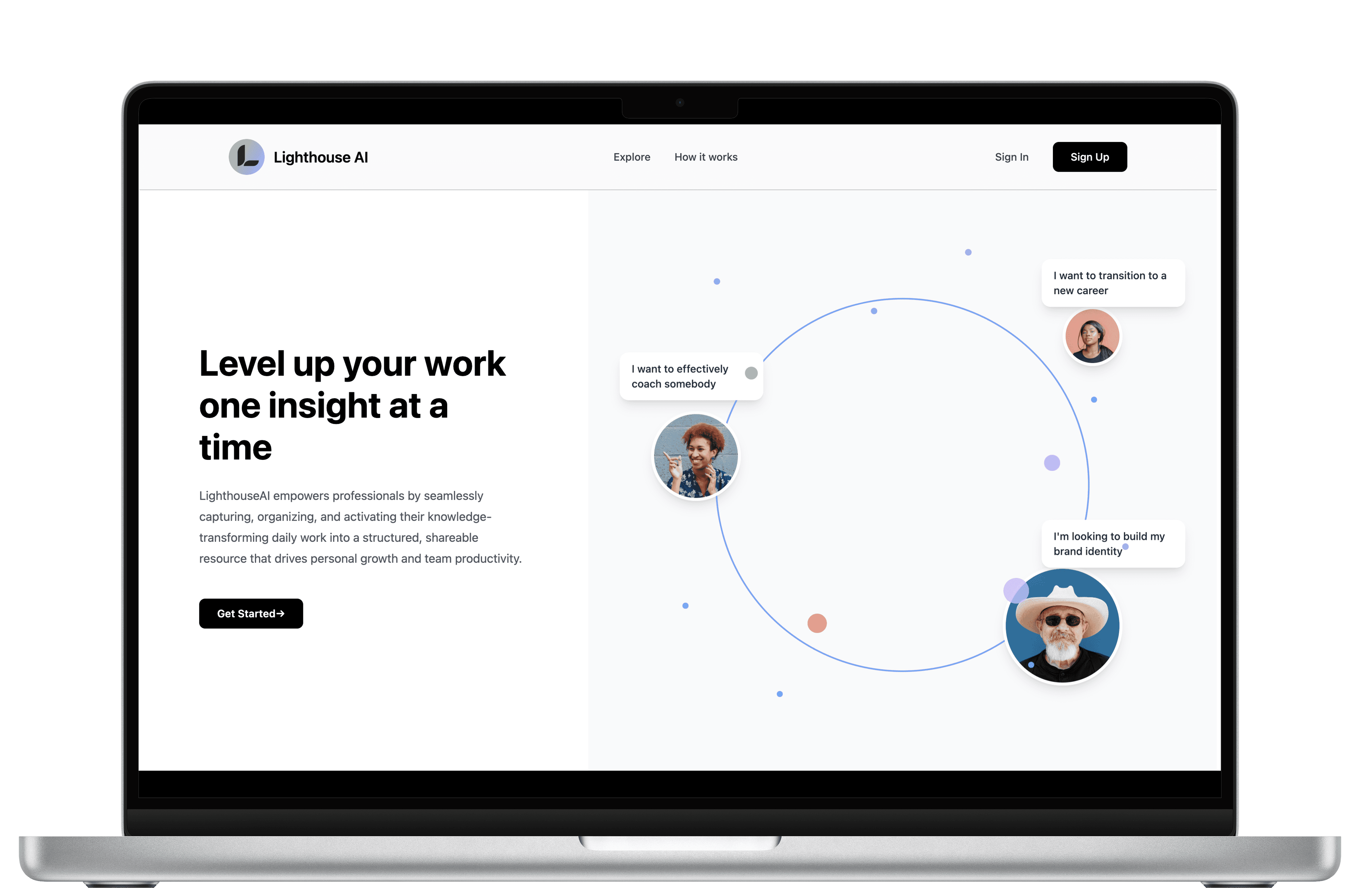
Lighthouse AI began with a clear insight: there’s information everywhere, yet almost no personalized direction. Our research showed that students, early professionals as well as seasoned professionals weren’t lacking resources, they were lacking clarity. People knew their goals, but had no structured way to navigate the noise. Once we understood this, my role as a Product Design Intern was clear: help design an experience that brings clarity to ambition, turns noise into direction, and makes progress feel simple and achievable.